Is It Time to Rethink the "Big Three" TCGs?
Like the Straw Hat Crew sailing into the New World to challenge the Four Emperors, the One Piece Card Game has overcome every obstacle before it, and set its sights on bigger and bigger rivals. Now it's starting to take them down, too. As of July 2026, the One Piece Card Game has outsold Yu-Gi-Oh! on TCGplayer for three consecutive quarters.
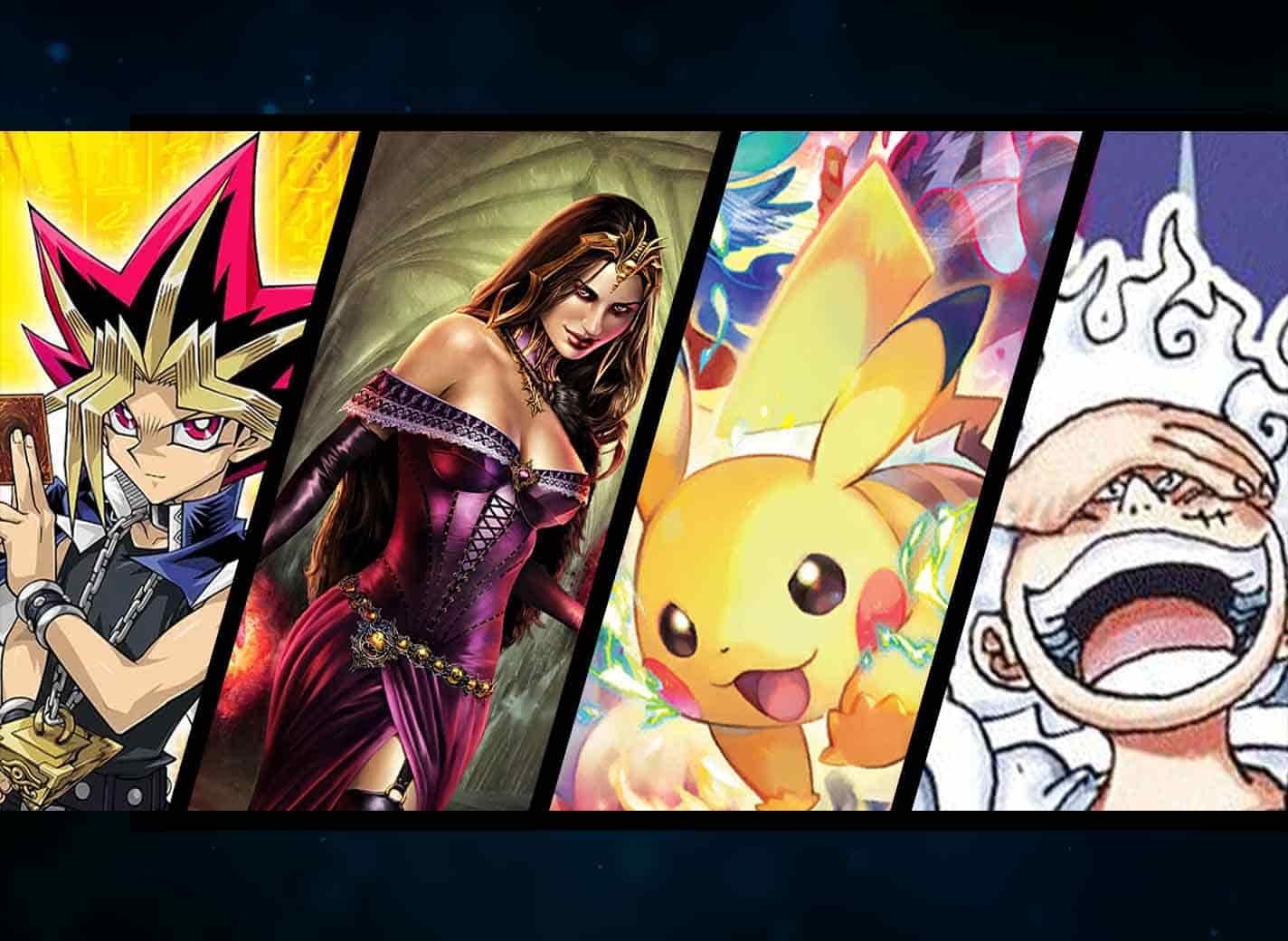
For years, the Trading Card Game market in North America has been divided into two tiers. Above: the Big Three TCGs of Magic, Pokémon, and Yu-Gi-Oh, with decades of releases and millions of die-hard fans around the world. Below: everything else, duking it out for a distant fourth place.
That fight is basically over. One Piece has overtaken every competitor in the "other" tier by nearly every metric. The question now is, is it time for the Big Three to admit a new member?
What Are the Big Three TCGs?
Ever since Magic introduced trading card games to the world in 1993, the genre has gone through a series of boom-and-bust cycles. During boom times, like the period between 1999 and 2001, the market was hot and every publisher with an IP and a dream was trying to launch a new TCG. Faced with more games than they had time or money to engage with, players slowly consolidated around the most popular TCGs, and the rest died off.
(The current boom period began around 2019, and is still ongoing, with new IP-driven games entering the market every year. More evidence that the old rules no longer apply.)
Magic, Pokémon, and Yu-Gi-Oh! are the lone survivors of the TCG industry's boom and bust cycles. Like sharks, they've seen ages come and go and remained at the top of the food chain.
In that time, the Big Three have accrued two advantages over every other TCG that's tried to enter the market: size and longevity. Both of these advantages are self-perpetuating. As the biggest games, they're the games that new players are most likely to encounter first, and the games with the most active local scenes. As the oldest games, their publishers aren't as prone to the kinds of mistakes that doom younger TCGs (like overprinting, and broken formats), and their players have more patience when mistakes do occur because they've seen their games recover.
Thanks to these two advantages, The Big Three have held on to their dominance over the TCG industry throughout the 2020s, even as an armada of new releases have entered the space. Flesh and Blood, Digimon, Disney Lorcana, Sorcery, Star Wars: Unlimited, Union Arena, Riftbound—over a dozen new TCGs have found success in the last seven years. None of them rival the Big Three in longevity.
But for the first time in decades, another game might rival a Big Three member in size. That game is One Piece.
Is One Piece As Big as the Big Three TCGs?
It's hard to judge the true size of the One Piece Card Game compared to other TCGs without access to Bandai's total print run and sales numbers (which they aren't sharing).
Still, we do have some useful data points. Let's go through them and see whether or not they support the argument that One Piece can match the size of games like Magic, Pokémon, and Yu-Gi-Oh!
Pro: One Piece Rivals or Exceeds Yu-Gi-Oh in TCGplayer Sales
As mentioned earlier, One Piece has outsold Yu-Gi-Oh on TCGplayer in terms of total GMV for the last three quarters in a row. That's despite Yu-Gi-Oh enjoying a bit of a renaissance in the last quarter, as Konami has recaptured collectors' interest through the game's first full-art cards.
Yu-Gi-Oh hasn't gotten smaller. One Piece has just gotten much, much bigger.
If we consider other sales metrics, the comparison between Yu-Gi-Oh and One Piece becomes more complicated, but the race between them remains close. Looking just at Q2 2026 sales numbers on TCGplayer:
- One Piece leads Yu-Gi-Oh in Singles GMV.
- One Piece greatly leads Yu-Gi-Oh in Sealed GMV.
- Yu-Gi-Oh greatly leads One Piece in Singles Quantity.
- One Piece greatly leads Yu-Gi-Oh in Sealed Quantity.
- Yu-Gi-Oh slightly leads One Piece in Number of Orders.
(By most of these metrics, One Piece and Yu-Gi-Oh rank behind Magic and Pokémon, and far ahead of every other TCG.)
These numbers paint a picture of a game of comparable size to Yu-Gi-Oh, at least among the segment of the TCG market that shops on TCGplayer. While One Piece still falls behind Magic and Pokémon's sales numbers on TCGplayer, by rivaling Yu-Gi-Oh, it's passed a hurdle that no other TCG outside the Big Three has ever cleared before.
Pro: One Piece Has the #2 Collector Market
Other platforms in the TCG space tell an even rosier story. On Collectr, One Piece has definitively claimed 2nd place among all TCGs for total tracked activity, ahead of Yu-Gi-Oh (3rd place) and Magic (4th Place). According to PSA aggregator Gemrate, One Piece accounts for roughly 31% of the TCG cards from 2026 sets that have been graded, behind Pokémon at 61%, and well ahead of every other TCG at less than 2% each.
The jury's still out on how much of this activity comes from committed fans of One Piece, and how much comes from speculators who will sell out of One Piece the moment another collectible category becomes more profitable. But for now, One Piece's high-end collector market overshadows that of every other TCG besides Pokémon.
Con: Other Games Have the Edge in Event Attendance
Tournament attendance gives us another data point, and here, the results are more mixed. Comparing 2026 North American YCS events (YGO) with Regionals (OP), Yu-Gi-Oh events have been better attended, both in total and on average.
North American Yu-Gi-Oh Events, H1 2026
| Event | Date | Players |
|---|---|---|
| YCS Richmond | Feb 14, 2026 | 2,252 |
| YCS Guadalajara | Feb 14, 2026 | 1,224 |
| YCS TEAM Las Vegas | Apr 18, 2026 | 1,167 |
| YCS Columbus | May 23, 2026 | 1,618 |
| TOTAL | 6,261 |
North American One Piece Events, H1 2026
| Event | Date | Players |
|---|---|---|
| Regional Mesquite, TX | Mar 21, 2026 | 1,388 |
| Regional Pomona | Mar 28, 2026 | 1,336 |
| Regional Toronto | May 16, 2026 | 1,024 |
| Regional Peoria | Jun 20, 2026 | 1,117 |
| TOTAL | 4,865 |
This tracks with other methods of gauging the relative size of these player bases, like subreddit memberships, where Yu-Gi-Oh has the edge with 262K Duelists compared to 184K Looking for packs!
(Pokémon leads both Yu-Gi-Oh and One Piece in tournament attendance, with over 10,000 players competing across North American Regionals and Internationals in the first half of 2026. And Magic runs laps around them all, with over 25,000 fans attending MagicCon: Las Vegas 2026 alone.)
That said, One Piece events frequently hit their player caps, so the true tournament demand could be higher than we've seen so far. Case in point: the 5,000 player-cap Dallas Flame-Flame Fruit Coliseum event that will be held in September sold out in a single minute, with many hopeful fans stranded on the waitlist. If 5,000 players compete, the Flame-Flame Fruit Coliseum will be the largest One Piece event ever held in North America, overshadowing Yu-Gi-Oh and Pokémon's biggest North American events to date. (YCS Long Beach 2012 at 4364 players, and NAIC 2025 at 3812 players, respectively).
Unfortunately, we don't yet know how many of those attendees will be actual players. In an effort to reign in scalping, Bandai made buying a Flame-Flame Fruit ticket mandatory for anyone who wants to attend BCG Fest 26-27, one of the few places where fans can buy product directly from Bandai at MSRP. Frustrated fans have speculated that many or most of the people signed up to the Flame-Flame Fruit Coliseum will resign after Round 1 so they can spend their time buying product to flip.
The Flame-Flame Fruit Coliseum could change everything. For now though, One Piece seems to fall behind the Big Three in terms of player count.
Will One Piece Last as Long as the Big Three TCGs?
While the current size of the One Piece Card Game looks comparable to Yu-Gi-Oh by some metrics, being a Big Three game means more than just sales numbers and player counts. Magic, Pokémon, and Yu-Gi-Oh have decades of history behind them. In an industry where most games burn out after two years, a TCG reaching its 25th or 30th anniversary shows a level of commitment from its publisher and players that can't be quantified.
| TCG | Years in Print (as of July 2026) |
|---|---|
| Magic: The Gathering | 32 |
| Pokémon TCG | 30 |
| Yu-Gi-Oh! | 27 |
| One Piece Card Game | 4 |
With One Piece about to celebrate its 4th anniversary, we can only guess whether it will be able to sustain its current success for another 21+ years. Here are some key factors to consider as we try to read the future of the game.
Pro: One Piece Hasn't Faltered Yet
One Piece first claimed its position as the #4 TCG soon after it reached North America in late 2022, and it's held that position against all comers. Disney Lorcana, Star War: Unlimited, Gundam, Riftbound—none of them have been able to outsell One Piece. Even with more challengers like Cyberpunk TCG and Naruto on the way, we haven't seen any indication that fans of the One Piece Card Game are looking to move on to other games.
Of all the TCGs released in the past decade, One Piece has the best chance of surviving if the market consolidates around a smaller field of games than it's currently supporting.
Pro: The One Piece IP Can Sustain a Card Game for Decades
One Piece doesn't have the deep pockets of a media franchise like Pokémon, or the freedom to license or reference a parade of popular properties like Magic and Yu-Gi-Oh. But with hundreds of named characters and thousands of anime episodes, the well of material the One Piece Card Game can draw on is as deep as any publisher could want.
And that well keeps getting deeper. The Netflix live-action series has put a new spin on the One Piece universe and helped the franchise reach new audiences, and other One Piece media projects have just been released or are in production. Even after Eiichiro Oda finishes the main series, it's unlikely that he, Shueisha, or any of the other stakeholders in the franchise would be content to leave the Blue Planet for good. Odds are, we'll be getting new One Piece stories for the rest of our lives.
Pro: Bandai Knows How to Publish TCGs
Part of the reason most TCGs burn out in a few years is that there are so many pitfalls for publishers who are new to the genre. Misreading demand, overprinting supply, fumbling organized play, building brittle or unscalable game systems—a novice publisher who makes any of these mistakes can poison their reputation with game stores and players, and doom their game.
But Bandai has years of experience managing successful games. Between One Piece, Gundam, Dragon Ball Super Fusion World, and the Digimon Card Game, the publisher currently owns four of the top 10 TCGs of the last quarter by GMV on TCGplayer, in a market where most publishers are lucky if they can land one.
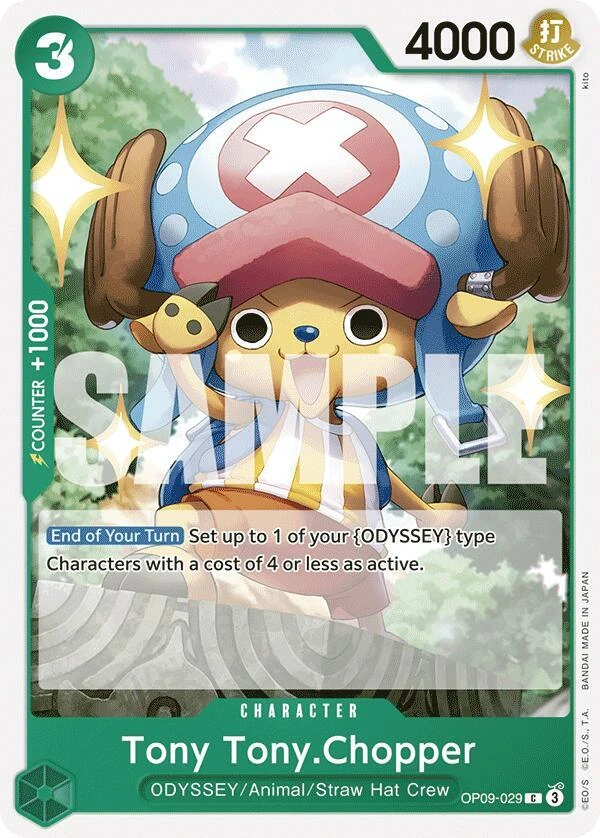
The quality of Bandai's cards, with their thick stock and consistently excellent original illustrations (which often fill the entire card, even at lower rarities), sets the bar for the entire TCG industry.
And most importantly, they make good games! The company's formula of...
- Copy Duel Masters.
- Add one twist to the resource system.
- Wrap it in an established IP.
...has become a bit of a meme, but every time they come to step 2, they reliably invent a flavorful, compelling twist. From Digimon's memory system to One Piece's DON!! system, the humming core of each of Bandai's games is robust and elegant enough for designers and fans to obsess over indefinitely.
Bandai has been due for a top-tier TCG. Now they have one.
Con: Bandai Isn't All-In on One Piece
While Bandai has the resources and industry experience of a Big Three publisher like Konami, they don't have the confidence in their own product to throw everything they have behind any one of their games. We can see this in the way they consistently underprint every game in their catalog, and in the fact that they are currently supporting six (!) TCGs, with a seventh on the way.
These are the adaptations of a company that has experienced all the booms and busts of the TCG industry along the Big Three, but has never had a flagship game that could weather those storms. Bandai's response to an unstable industry has been to diversify into as many TCG as possible, and pull back from them once they show signs of mortality. That's how we got Battle Spirits Saga being discontinued in North America, the Chrono Clash System games being dropped and reimagined into Digimon, and Dragon Ball Super Card Game being rebooted.
This is an excellent strategy for running the TCG wing of a major media company, but it's not the best approach for helping a game like One Piece grow as big as possible. While under-serving demand as a TCG publisher is way safer than over-serving, it does come with risks. If One Piece sales in North America start to fall for any reason, Bandai doesn't have to come to its rescue. They have plenty of exit strategies.
Con: Bandai Isn't Treating One Piece Like a Game With Decades of Life
Possibly because they manage so many young TCGs, Bandai has developed terrible habits when it comes to character exposure and power creep.
Pokémon, an aged gentleman of a TCG, has learned to pace itself when it comes to their marquee characters. Every three years, we get a new Charizard-focused set that sells like gangbusters, followed by a year of sets focused on B and C-tier Pokémon from the latest video game.
This pattern gives collectors time to fall in love with the new Charizard, declare it the greatest card the Flame Pokémon has ever received, chase it relentlessly, enshrine it in their binders, and forget all about it just in time for the next one to come along. Because Pokémon makes piles of money with each Charizard set, they can afford for their other sets to underperform by comparison.
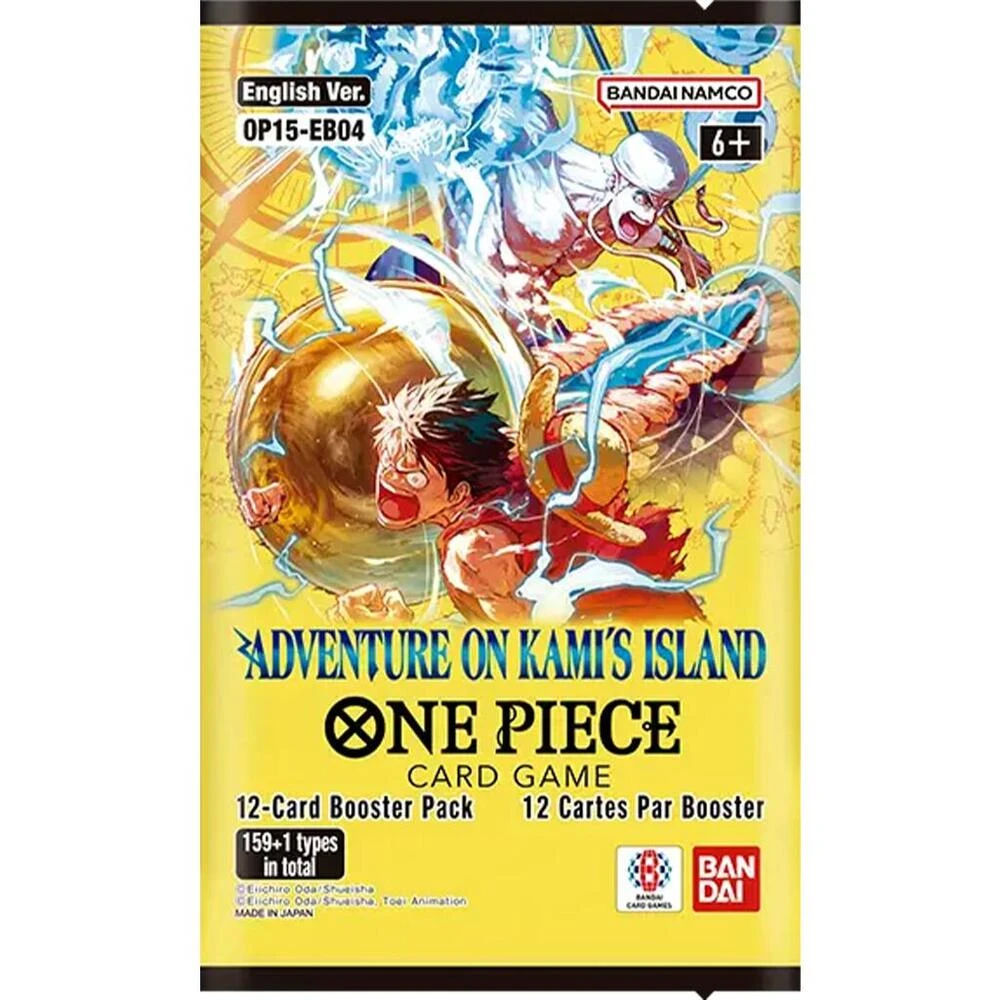
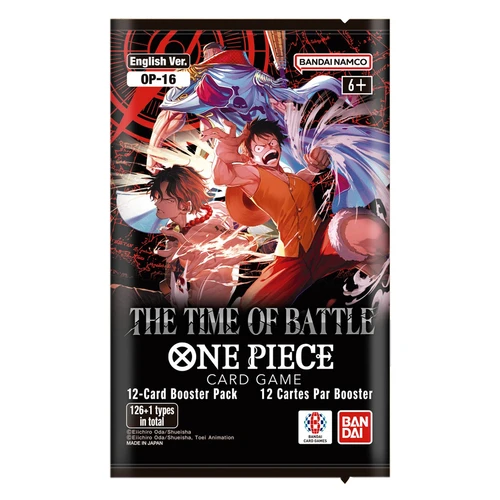
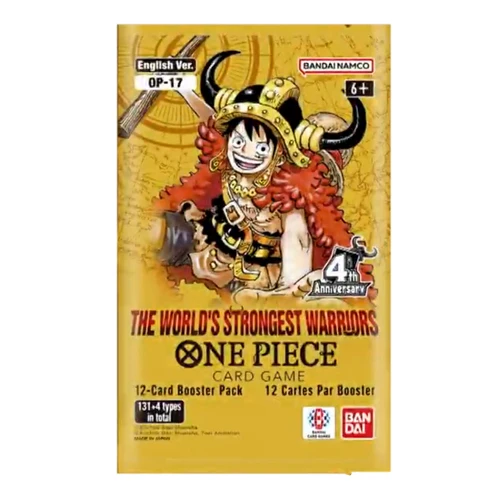
Compare that to Bandai's treatment of Luffy. Counting OP-17, Bandai has published 22 English-language expansions for the One Piece Card Game. Of those, a whopping 15—68%!—of the sets feature Luffy front and center on the set's key art. Another four feature either Zoro or Boa Hancock, leaving just three out of 22 sets with the confidence that fans will buy them without one of those three characters on the cover.
Finally, Bandai's love of power creep is legendary. Despite having tools like a cost-based resource system to benchmark generic effects, and set rotation to ensure players are incentivized to keep up with recent releases, Bandai regularly renders old decks obsolete after a single set.
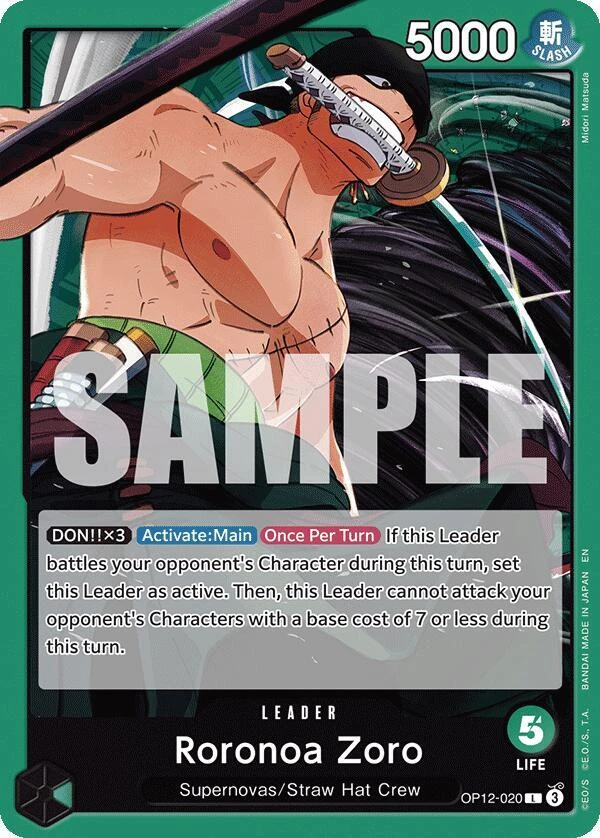
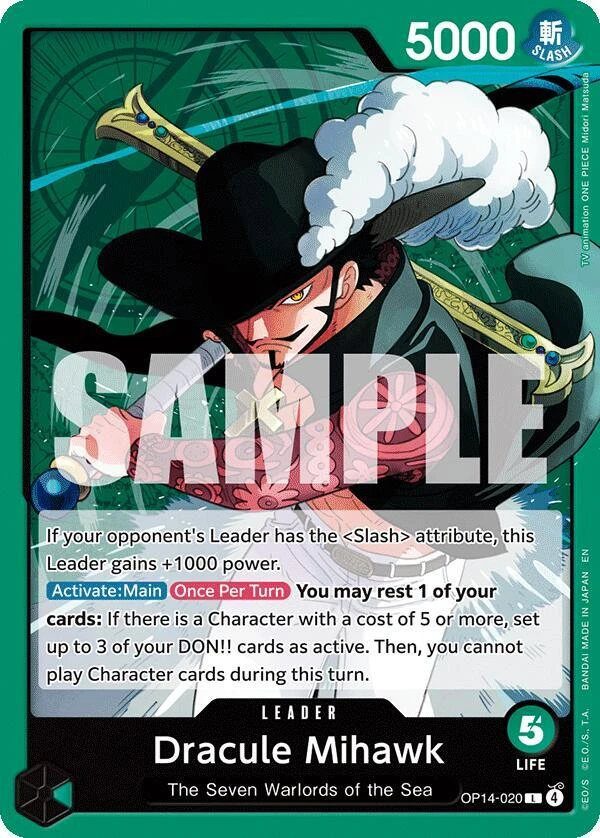
This isn't just annoying for players, who can't expect their favorite Leader to remain relevant for more than a couple months. Over time, it can translate to complexity creep, as cards have to do more and more things to keep up. Eventually, constant power creep could make One Piece too convoluted for new players to approach, and it will stop being able to replace the players it loses to natural attrition.
Bandai has the tools to double down on making One Piece a game that will last for decades. So far however, their approach has been to position the game for immediate, explosive success—possibly at the cost of its long-term sustainability.
Still, there are reasons to think Bandai finally understands how monstrously popular the One Piece Card Game is. Chief among them was the decision to transform Dallas Bandai Card Fest from a multi-game, non-ticketed event in 2025, to a weekend of One Piece tournaments with entry restricted to competitors in 2026. There have also been more restocks of One Piece card products on Premium Bandai. None of these changes have met the demand, but Bandai is slowly becoming more comfortable with treating their game like the blockbuster success it's become.
Verdict: In Six Months, We May Need a New Category
The One Piece Card Game has been wildly successful. That said, it feels premature to elevate a four-year-old game to the same status as a trio of games that are all old enough to rent a car. The "Big Three" have earned that particular title. Let them keep it.
But it may be time to create a new category—call it the "Four Emperors"—of games that hold a commanding share of the TCG market. There are a few indicators to look for in the rest of 2026 that'll confirm we've entered a new age in TCG history.
Can One Piece Hold Its Position as the #3 Game by GMV?
One Piece first overtook Yu-Gi-Oh in Q4 2025, right when the Pokémon market was showing signs of weakness for the first time in months, and the broader collector market was taking notice of the insane returns on One Piece.
So far, it's been able to hold that position. If it contracts back to its Q3 2025 numbers by the end of the year, then its brief rivalry with Yu-Gi-Oh will look like a one-off blip. If it stabilizes ahead of Yu-Gi-Oh and maintains its #3 position for five quarters in a row, that'll be a stellar indication that we're looking at true, sustainable demand.
Who's Going to the Flame-Flame Fruit Coliseum?
After the 5,000-player Flame-Flame Fruit Coliseum event sold out in less than a minute, disappointed players immediately began speculating that would-be scalpers bought into the event solely to get access to the Bandai retail store at the convention center, where they could grab product at MSRP and flip it for an easy profit like they had at Bandai Card Fest 2025. If that's true, it would indicate that One Piece's success is being inflated by buyers who don't care about the game or the IP, and will jump ship to another collectible as soon as there are any headwinds.
I was lucky enough to grab one of the Flame-Flame Fruit tickets, so I'll be headed to Dallas in September to get crushed by better players, and find out how many of the attendees actually enjoy playing One Piece. If more than 10% of the competitors drop after Round 1, we might be looking at a bubble. But if 5,000 people play through all six rounds of Swiss, that'll prove the One Piece player base is bigger than anyone imagined, and Bandai will need to get used to running 5,000-person tournaments every year.
And maybe—just maybe!—printing more cards.