4 Years In, the One Piece Card Game Is Better Than Ever

The One Piece Card Game has finally become the game it spent most of its life avoiding: one where the winners use the game's resource system better than their opponents. That may sound like a low bar, but it took three years, some earth-shattering bans, and months of methodical redesigning to clear.
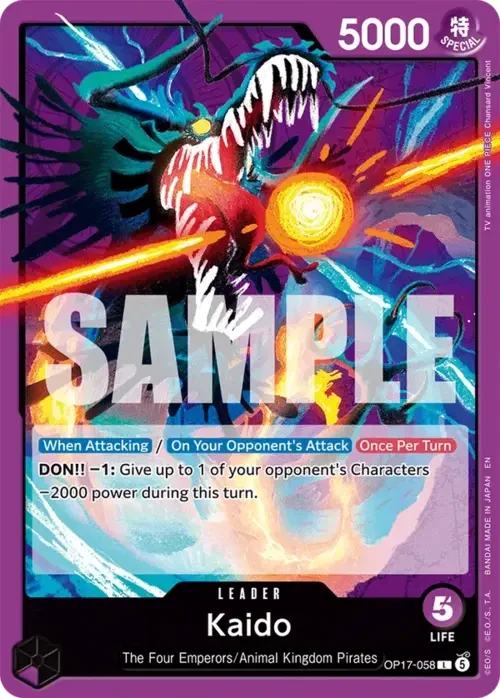
The result is a One Piece Card Game that finally plays the way it felt like it was supposed to since the beginning, where DON!! allocation, board investment, tactical foresight, and mathematical prowess decide the winner much more than dice rolls or draws.
What took so long? The easy answer is that two cards held the game back: Ice Age and Gecko Moria. But the correct answer goes back even further than that, to Bandai's philosophical approach to One Piece's earliest sets.
Establishing a Philosophy
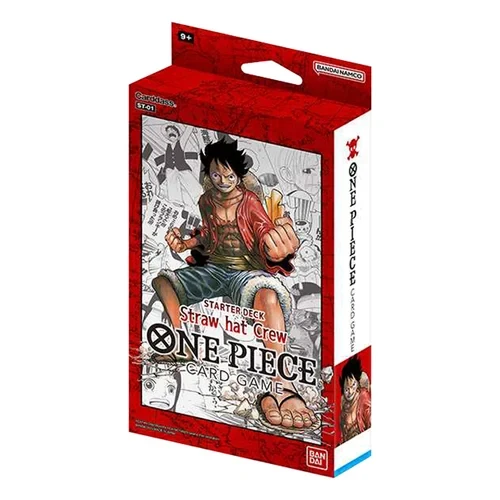
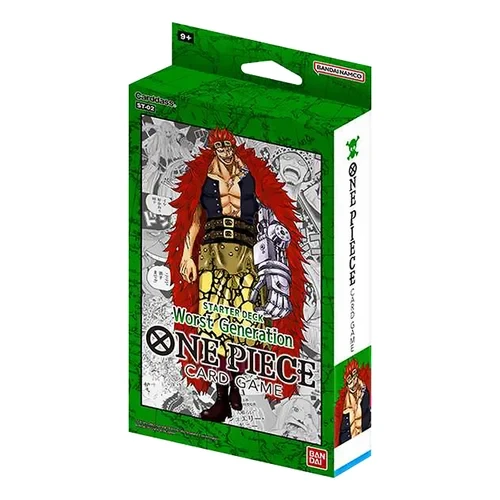
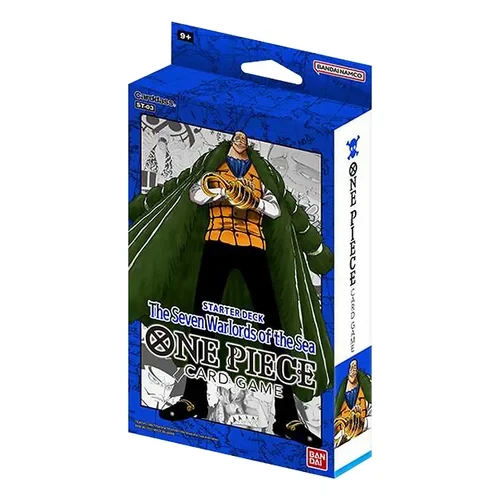
The earliest era of One Piece was among its most strategically cohesive, but it was also simple. The starter decks and first sets mostly existed to introduce people to the game, and lacked the intricate number manipulation or deep game knowledge that would come to define later sets. This changed with the rise of Whitebeard in OP-02, which ruled the game with an iron fist until its key card Moby Dick was banned.
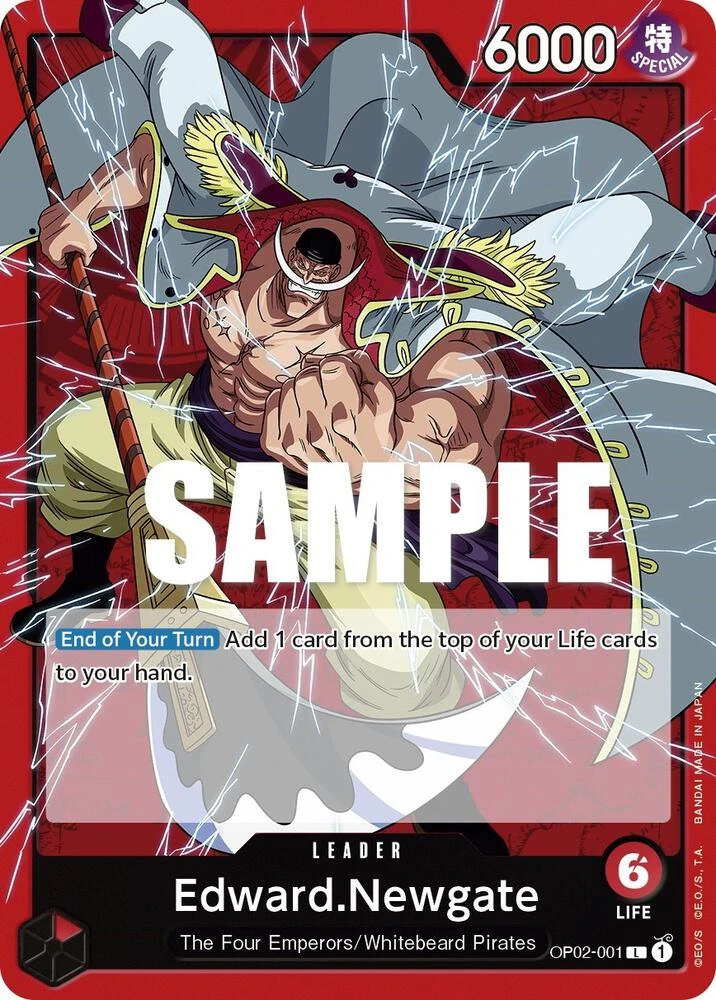
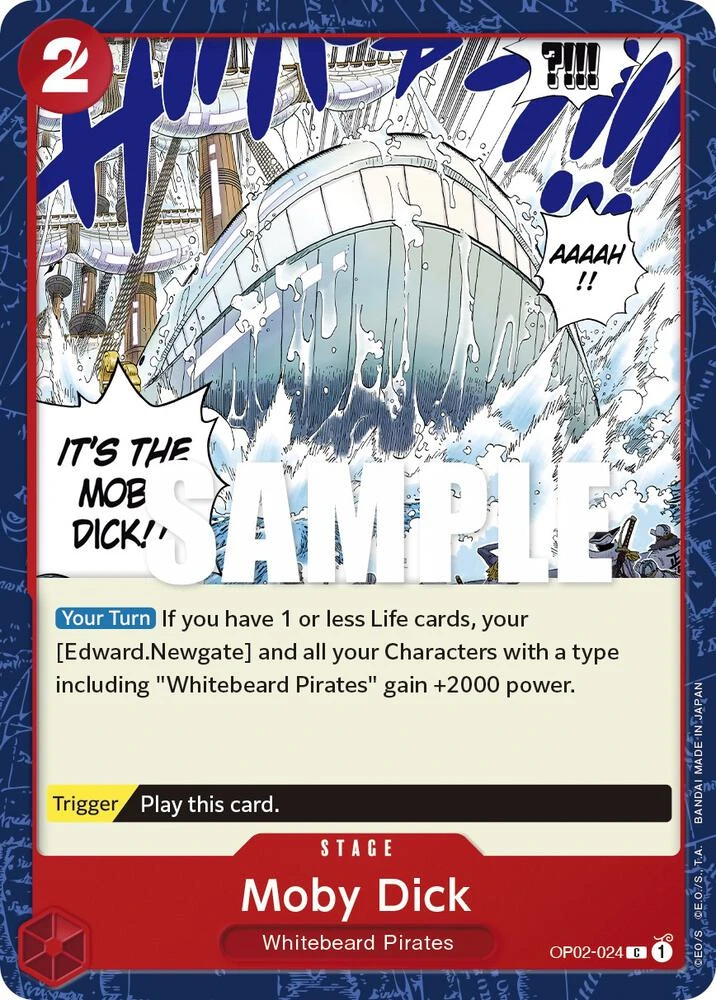
With Whitebeard, it seemed that Bandai had simply taken a misstep with its design and made a deck that was simply too powerful, but they corrected the issue with the ban and all seemed right in the world. But something else began brewing around this time that would come to define One Piece's design philosophy for the majority of its lifespan: the concept of alternate win conditions.
OP-03 saw the introduction of Blue Mill Nami, a deck that won by drawing itself down to zero cards. Mirroring the design philosophy of countless other card games, Nami gave players another pathway to victory if they didn't want to interact with the board development and precise attacking that One Piece otherwise required.
Many players loved this. Even if they didn't love the game's core play style, they could simply play Nami and tweak the skill ceiling to things they were better at or found more interesting: deck tracking, probability calculations, careful life-taking, creative deck building.
Although the Leader saw niche success and would often surprise players with its ability to win tournaments, it's more notable here as an indicator of a larger trend in Bandai's philosophy: they believed there should be multiple ways to win beyond swinging the right numbers and managing resources optimally.
Black Decks' Reign of Terror
Up until the first anniversary set OP-05, black decks in One Piece removed the opponent's board via a combination of cost reduction effects and K.O. effects. The thing is, these effects often required the player to trash an additional card from hand, making them a one-for-one at best and limiting their efficiency.
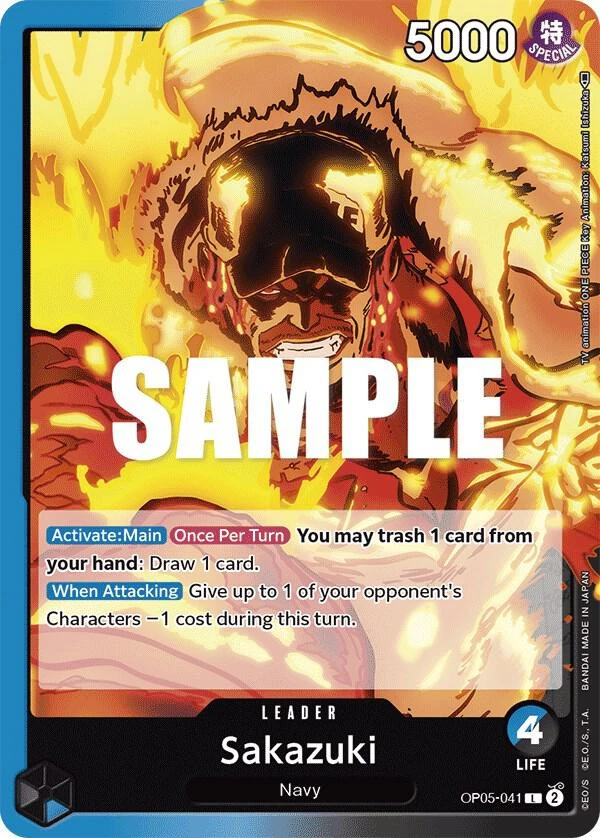
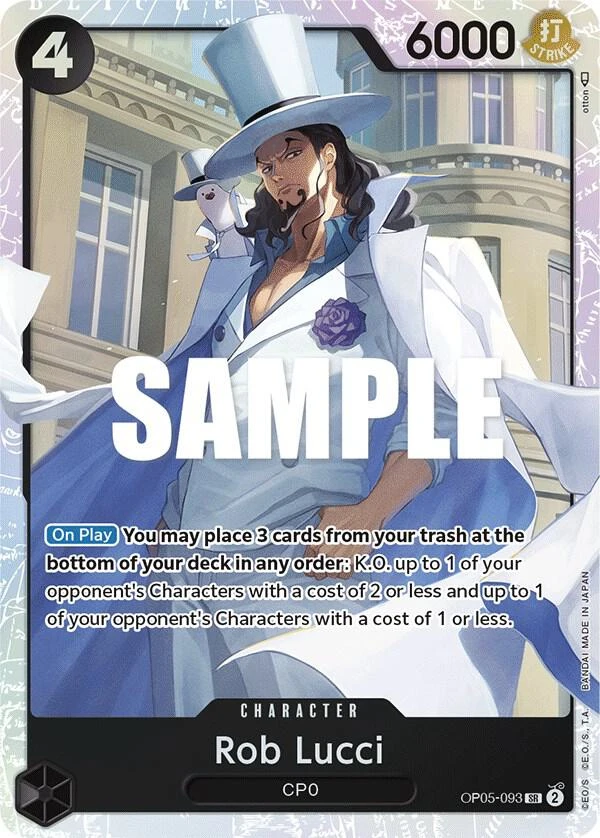
That all changed in OP-05 with Blue Black Sakazuki, a deck that ran Hound Blaze, Ama No Murakumo Sword, and Rob Lucci, cards that could all remove Characters without discarding additional cards from hand. In the late game, players could even combo Rebecca, Hina, and Lucci for a play that established a blocker, a 5000-power body, and a 6000-power body while potentially removing two of an opponent's big bodies on board.
This madness was further enabled by Ice Age, a one-cost Event that reduced an opponent Character's cost by 5, which in retrospect, still seems absurd. Bandai later said it broke cost-based effects and constrained what the team could print.
In just one set, Sakazuki made the One Piece Card Game feel like it had strayed far from what the base game wanted to be. But the color was just getting started.
Just a couple months later, in OP-06, an 8-cost card called Gecko Moria truly broke black as a color, returning two Characters from the trash with their on-play abilities intact, allowing removal decks to develop three bodies while removing almost anything in the game.
The months that followed (nearly six sets' worth!) were ruled by black decks that used this exact removal game plan, from Gecko Moria, to Lucci, to Smoker. Just gain control of the board by playing bodies that remove other bodies, and cap it off with the most powerful tool for that in the game: Moria. With this being the case, it didn't really matter whether you swung optimally as these decks. As long as you had the resources to get rid of your opponent's stuff and play Moria on 8, you were practically guaranteed to win.
Although many didn't see it as such at the time, removal was as much of a parallel win condition as Nami, except instead of drawing all your cards to win you just needed to remove your opponent's Characters.
One Piece Meta as Response to a Broken Mechanic
During this period in the game's history, if you weren't playing a black deck, you had to do anything you could to counter them.
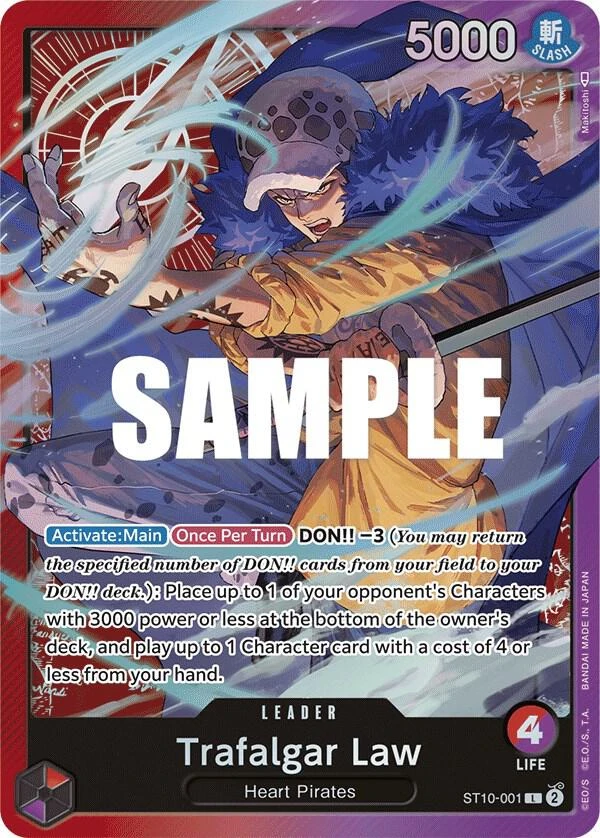
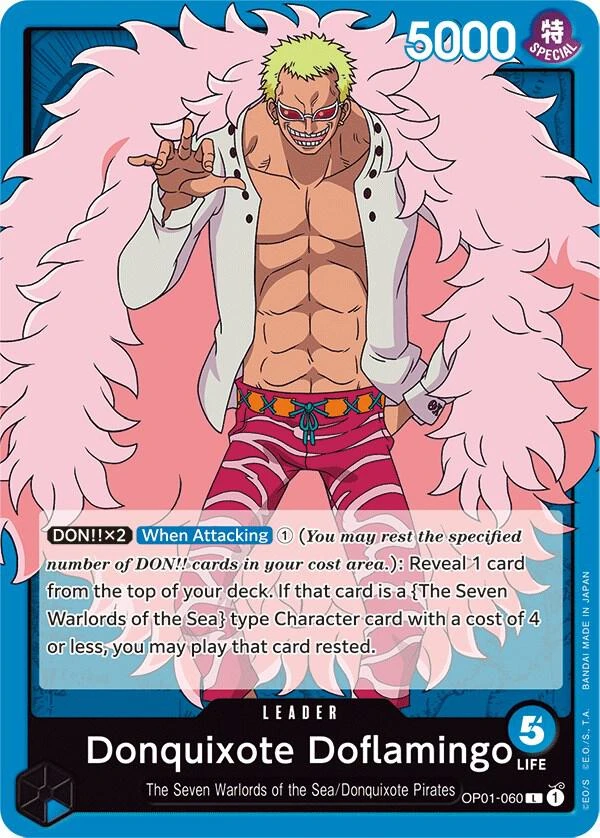
The most popular way to do this was by swarming the board with more Characters than they could possibly remove, which is what decks like RP Law and Doflamingo tried to do. Both decks became some of the most powerful in the game at different points in the game's history, but games mostly against black played out the same. Whoever saw their pieces simply won.
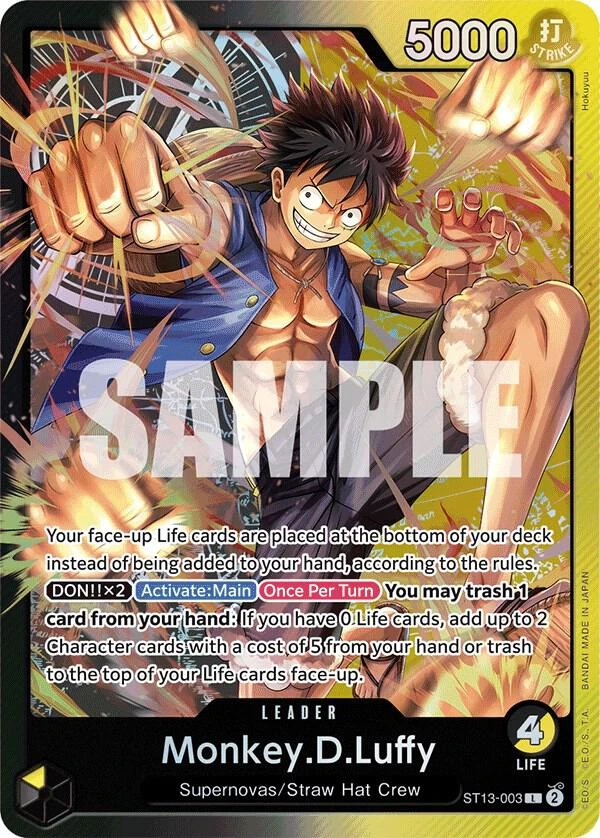
Another way to counter black decks was to buff your Leader's power, stalling out the game until your board could out-board theirs. The best deck at doing this was BY Luffy, which had access to Gecko Moria in addition to SR Blocker Sabo, a card that could give Luffy's entire board K.O. effect immunity—making it a perfect counter for the pesky removal decks that ruled the meta.
The thing is, even if you weren't playing these counters to black decks, you had to plan around them, and that often involved ignoring big, sweeping portions of the One Piece's Card Game's base design.
For months during Gecko Moria's prime, DON!!×1 effects were practically useless, as they asked you to deploy a Character, survive a full turn cycle with it, then spend a resource on it to see its payoff. However, in a format defined by Ice Age, nothing could survive that long. Whole swaths of the game's more interesting cards sat unplayed. Deckbuilding compressed toward immediate impact, and with everyone running nothing but immediate-impact cards and cheap removal, there was no long game to build toward. All you could do was play your best curve and hope they didn't have theirs.
A Solution Finally Arrives
After months of community outcry about Moria's power level (from everyone who wasn't playing black decks, at least), things finally changed at Bandai Card Games Fest in March 2025. There, the development team announced that they were banning both Gecko Moria and Ice Age (along with Jinbe and Kingdom Come, which have since been unbanned).
The game immediately transformed. Removal was no longer the be-all-end-all strategy. Slow cards could actually be used again. Fundamentals became important. Alternate play styles began to fall off. All that was left was for Bandai to follow through, and they did.
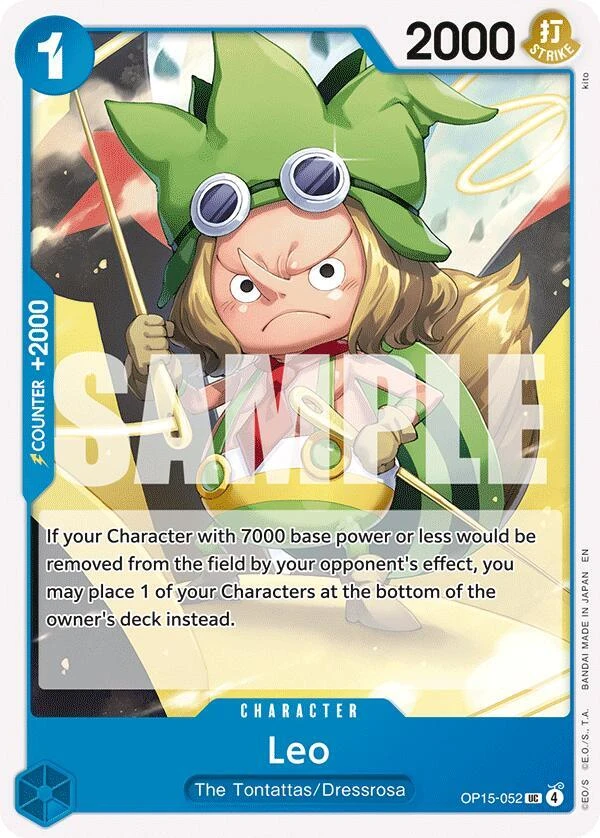
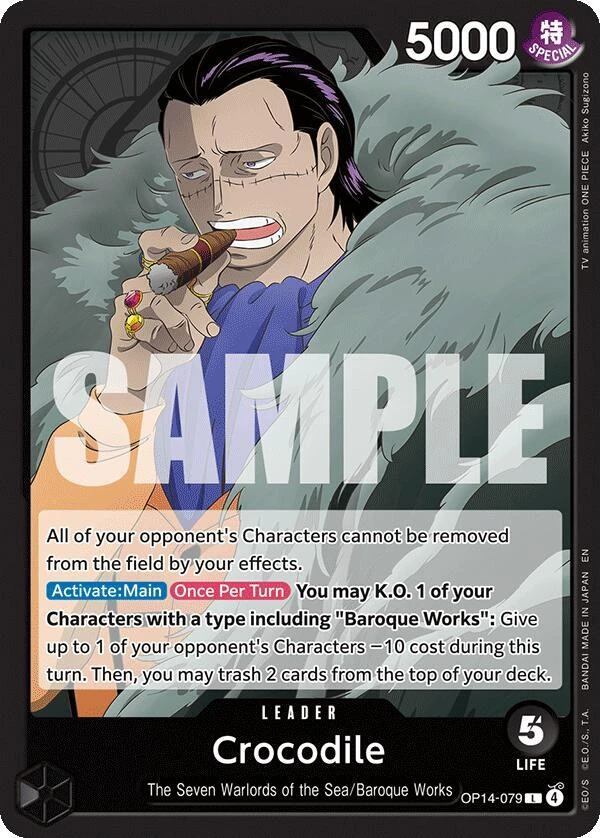
They banned Nami, replacing her instead with a Promo version that can only run East Blue cards. Then they banned Charlotte Pudding, the hand reset that blue decks had leaned on for years to invalidate large hands and turn endgames into a dice roll. They printed dozens of cards that protected themselves or other Characters from removal effects. They changed the identity of black decks from cost-based removal to cost-based buffs and trash recursion.
With these adjustments, One Piece's base philosophy is now back on track with the intent it all but left behind since the rise of Nami. Now everyone is playing the same game, and it's more fun than it's ever been. Leader, Character, and color design is now much more oriented around power, state, and value manipulation rather than removal alone.
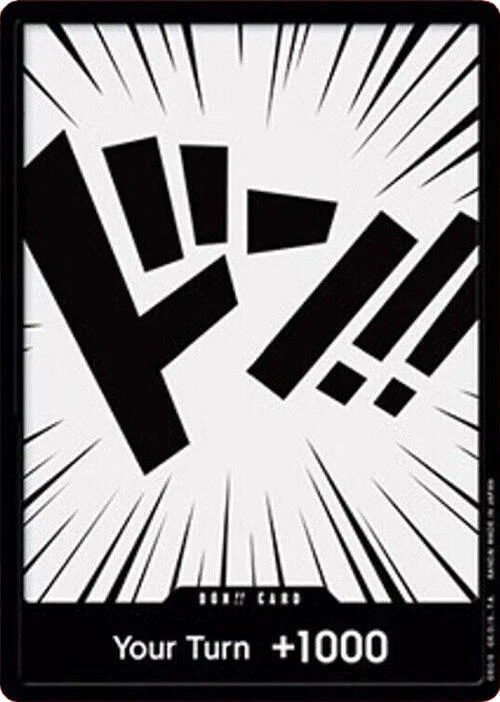
Without each game boiling down to a removal tug-of-war, the DON!! system now actually does what it was built for. Each turn divides the small, growing DON!! pool between the competing interests of deploying Characters, powering swings, activating effects, or holding back for defense. Turns have gotten dense: counting an opponent's counters against your power increments, attacking at numbers that force awkward answers, planning two turns out toward the swing that closes the game.
Of course, some elements of the game's new design approach sit better with players than others. The introduction of powerful yellow staples like 5-cost Borsalino was controversial for how much unrestricted free value it gives the color. Upon release, Purple Enel felt like a jarring power spike with its toolbox of cards that do something powerful and draw.
While the game is imperfect in terms of its balance and power level scaling over time, the fact remains that a baseline now exists where there wasn't one before.
Today's One Piece feels like One Piece the way it was originally meant to be played, and while it's already been the norm for the game since at least OP-15, it's worth noting how far the game has actually come since the removal era. Many have lamented the loss of alternate win conditions, but in reality, the One Piece Card Game has only just started to understand its primary ones.